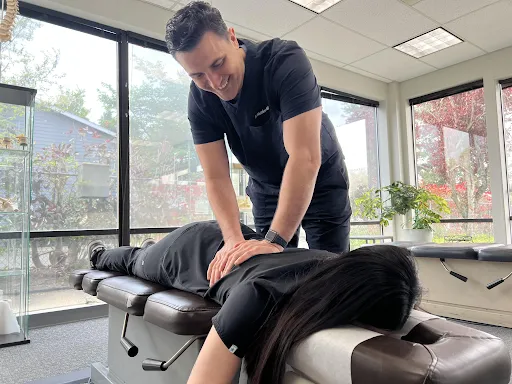
Scoliosis
Conservative care for spinal curvature, postural imbalance, and the neck, back, shoulder, and hip tension that often follows.
Suffering From Scoliosis?
Typically, scoliosis begins as a minor bend in the spine that gradually progresses over a lifetime. A diagnosis of scoliosis is made when the spine curves more than ten degrees to the right or left when a patient is facing the examiner.
Once the spine has advanced to more extreme stages of scoliosis there can be severe health consequences, which is why early recognition and conservative management matter.
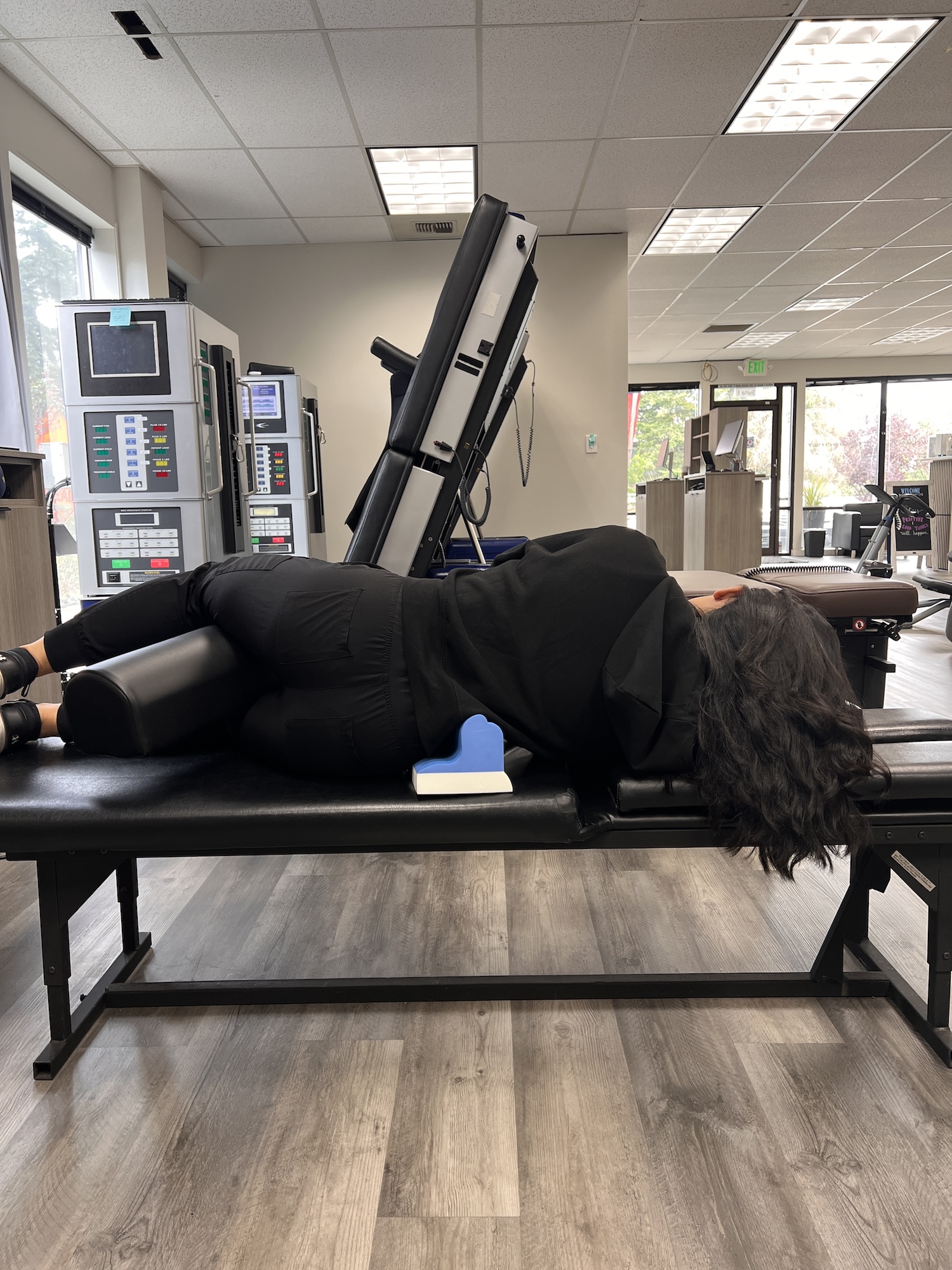
Scoliosis Treatment
Scoliosis is a bend or curve in the spine where a healthy spine would be completely vertical. The exact origin of the curve is often hard to trace. In the beginning, it may be just a small bend caused by a simple misalignment of single vertebrae.
Over time the body begins to compensate, building musculature that continues to pull the spine into lateral curves in order to keep the head level.
What are the Consequences of Scoliosis?
If scoliosis and its cause go unchecked it can lead to severe, long-term consequences. Scoliosis is associated with back, neck, shoulder, and buttocks pain. It can lead to recurring injuries and has been linked to sciatica.
In severe cases, it can cause diminished lung and heart capacity, painful menstruation, and physical disability.
How is Scoliosis Identified?
Parents or someone close to the person with scoliosis are often the first to notice because the shoulders and pelvis no longer appear level. A physical examination will assess gait and use visual and manual examinations to assess the curvature of the spine.
An Adams Position Test, which requires the patient to bend forward as far as possible, can indicate whether an issue is present. If a noticeable curvature is discovered an x-ray will be used to determine the extent of scoliosis.
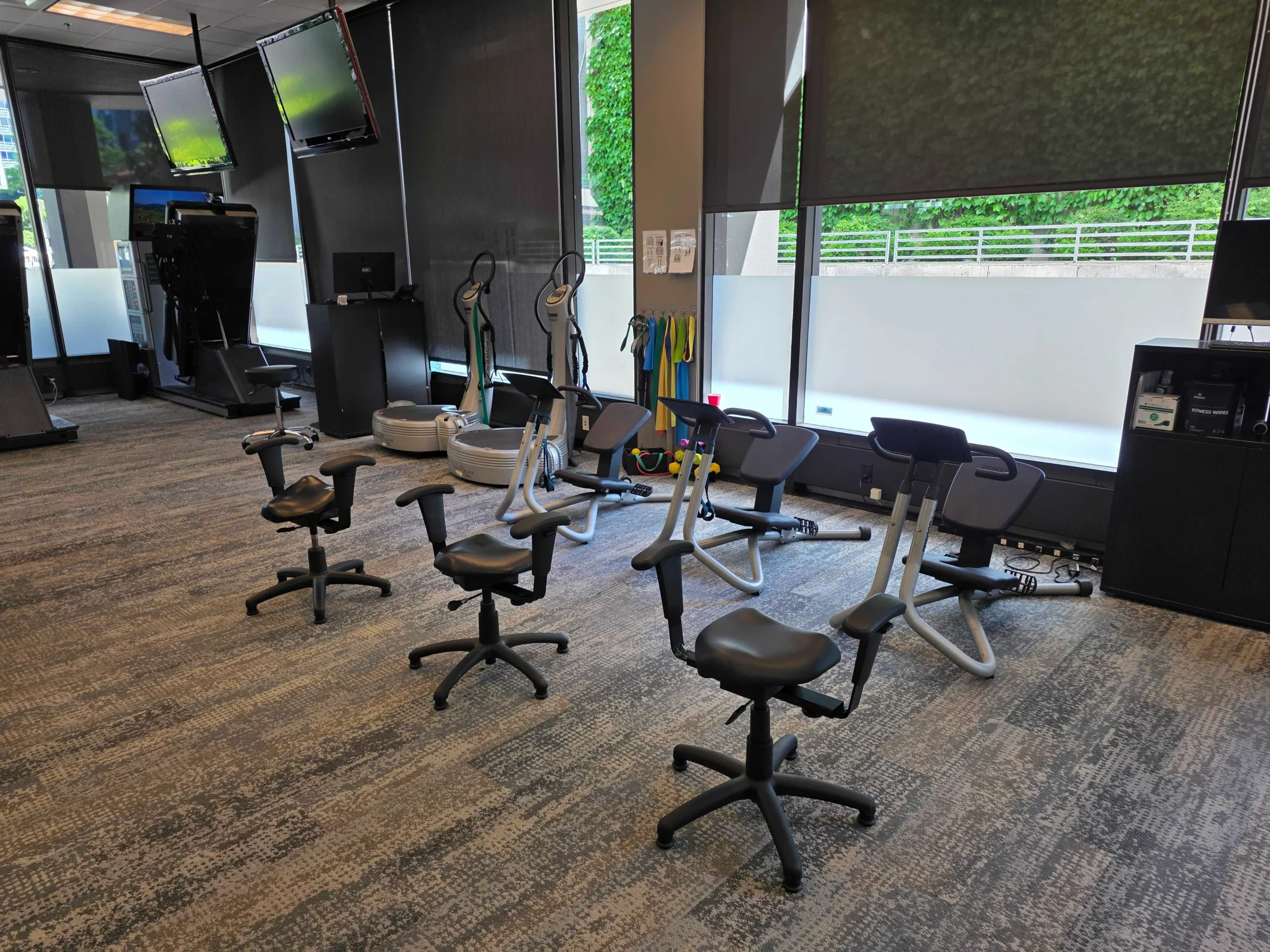
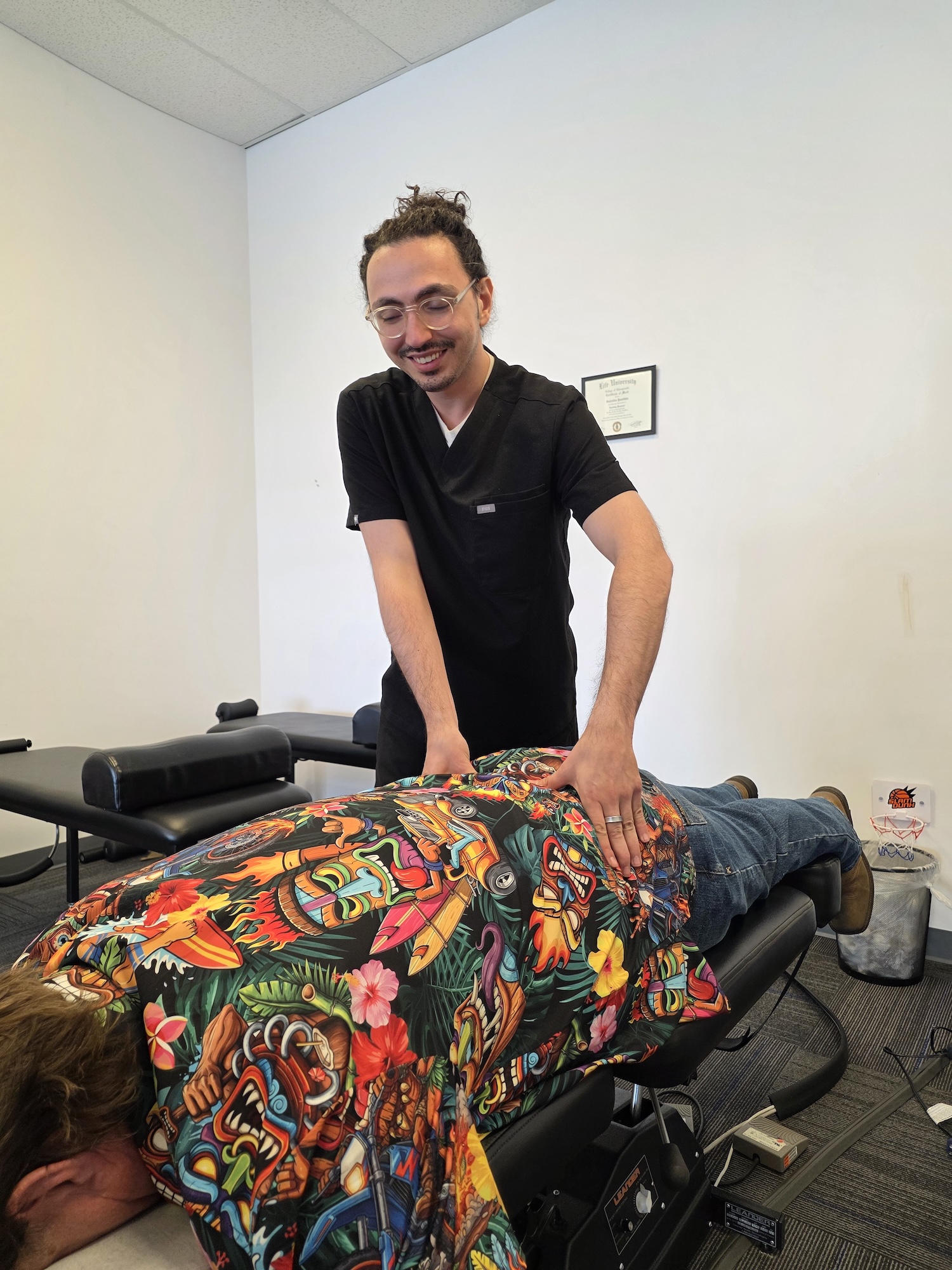
Chiropractic Care for Scoliosis
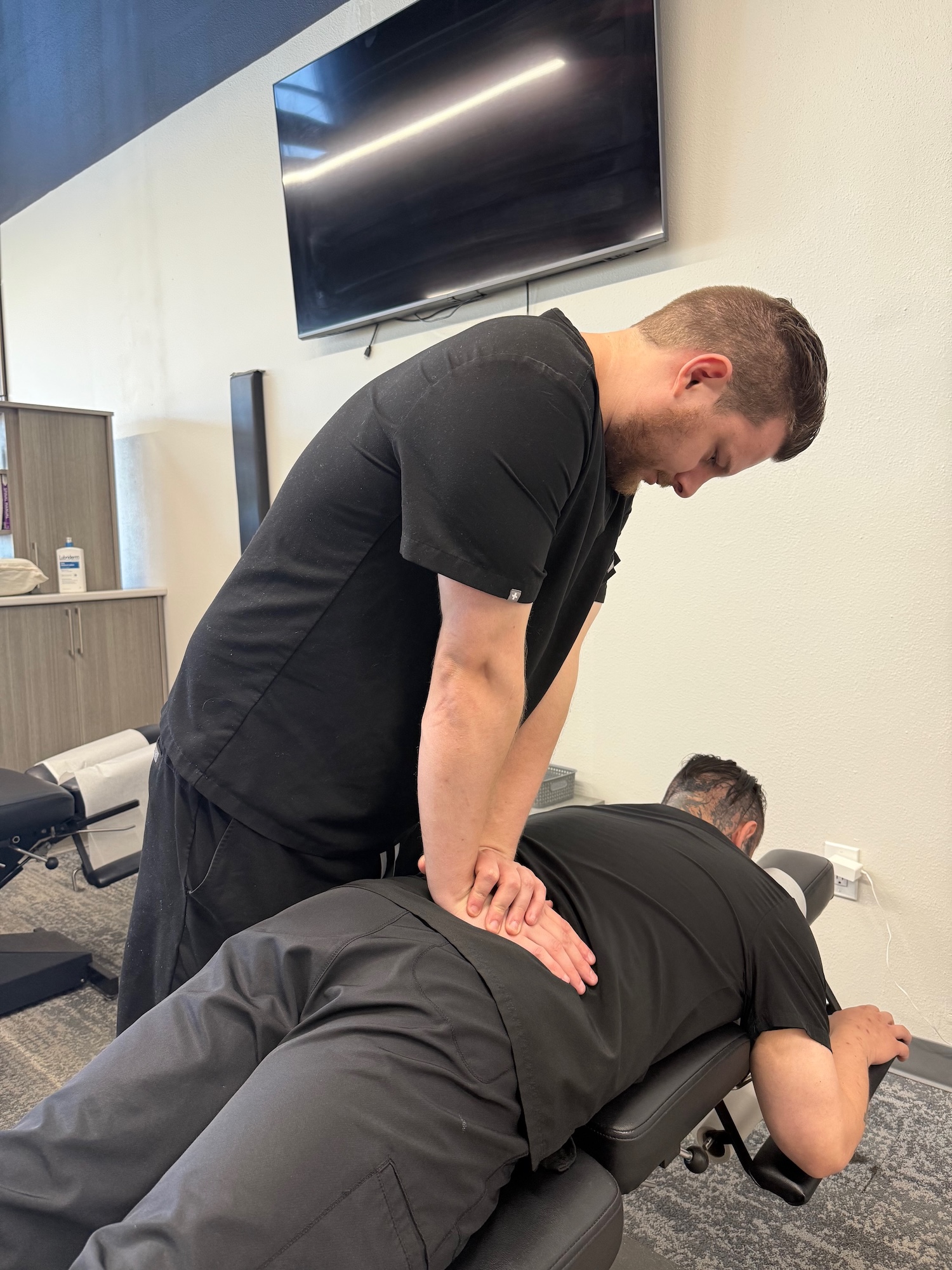
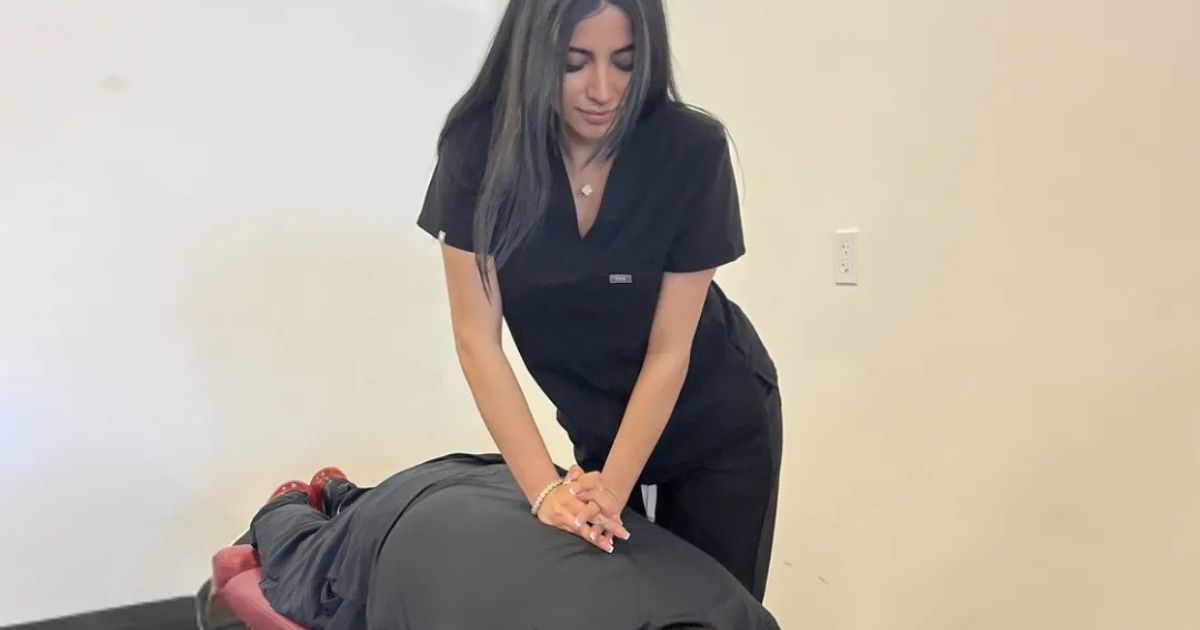
A professional chiropractor is trained to complete a thorough examination that will determine the presence of scoliosis. Once the issue is identified, the chiropractor will perform a full health history to identify any factors that could be contributing to the curvature.
Chiro 1st’s chiropractic care is a gentle and conservative approach to treatment that can prevent, slow, and stop the progression of scoliosis.
Signs of Scoliosis
Scoliosis is often painless at first, so it is easy to miss. Look for these signs in yourself or your child:
- One shoulder or hip sitting higher than the other
- A shoulder blade that sticks out more on one side
- The waist looking uneven
- Clothes hanging unevenly
- Back, neck, or shoulder pain that keeps coming back
Children and teens should be checked if any of these signs appear, since curves can change quickly during growth spurts.
Your First Visit
What to Expect When You Come In for Scoliosis
Scoliosis care starts with measuring the curve and understanding how it affects you.
History and Exam
We review your health history, family history, any past scoliosis diagnosis, and the symptoms you notice day to day.
Clear Diagnosis
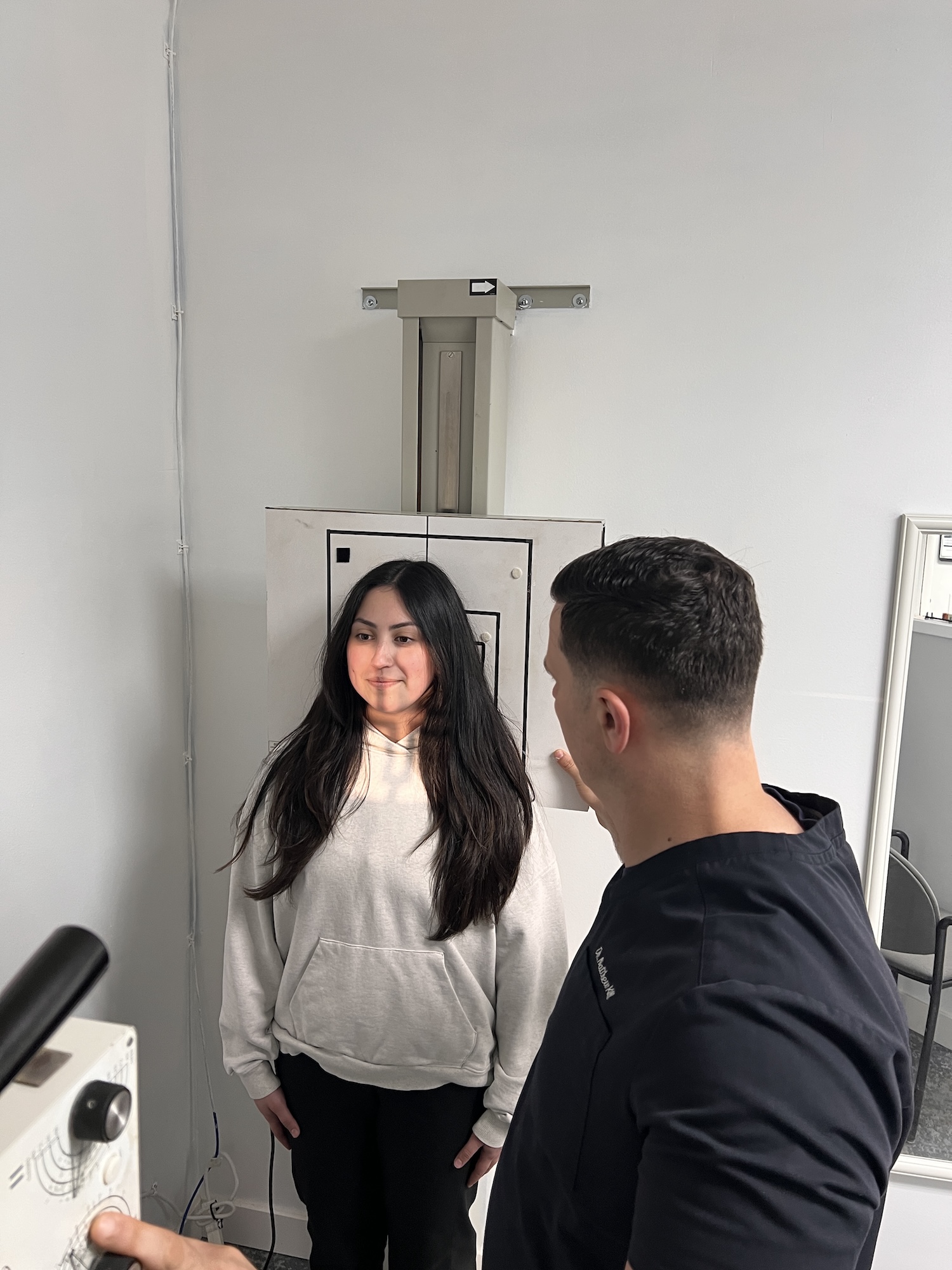
Posture, flexibility, and the Adams forward bend test, with digital X-rays to measure the curve when needed.
Treatment and Home Plan
Gentle adjustments, soft tissue work, and rehab and exercise to improve posture, balance muscles, and ease pain.
Living Well With Scoliosis
Most people with scoliosis live active, full lives. Good habits help manage pain and support the spine:
- Stay active with walking, swimming, or other low-impact exercise
- Strengthen your core and back muscles
- Take breaks from sitting and stretch often
- Choose a supportive mattress and pillow
- Get your curve rechecked as your chiropractor recommends
If your curve is large or getting worse quickly, we will refer you to an orthopedic specialist for bracing or surgical options.
Related Conditions
Other Conditions We Treat
Scoliosis often shows up alongside other problems. These are related conditions our chiropractors treat every day.
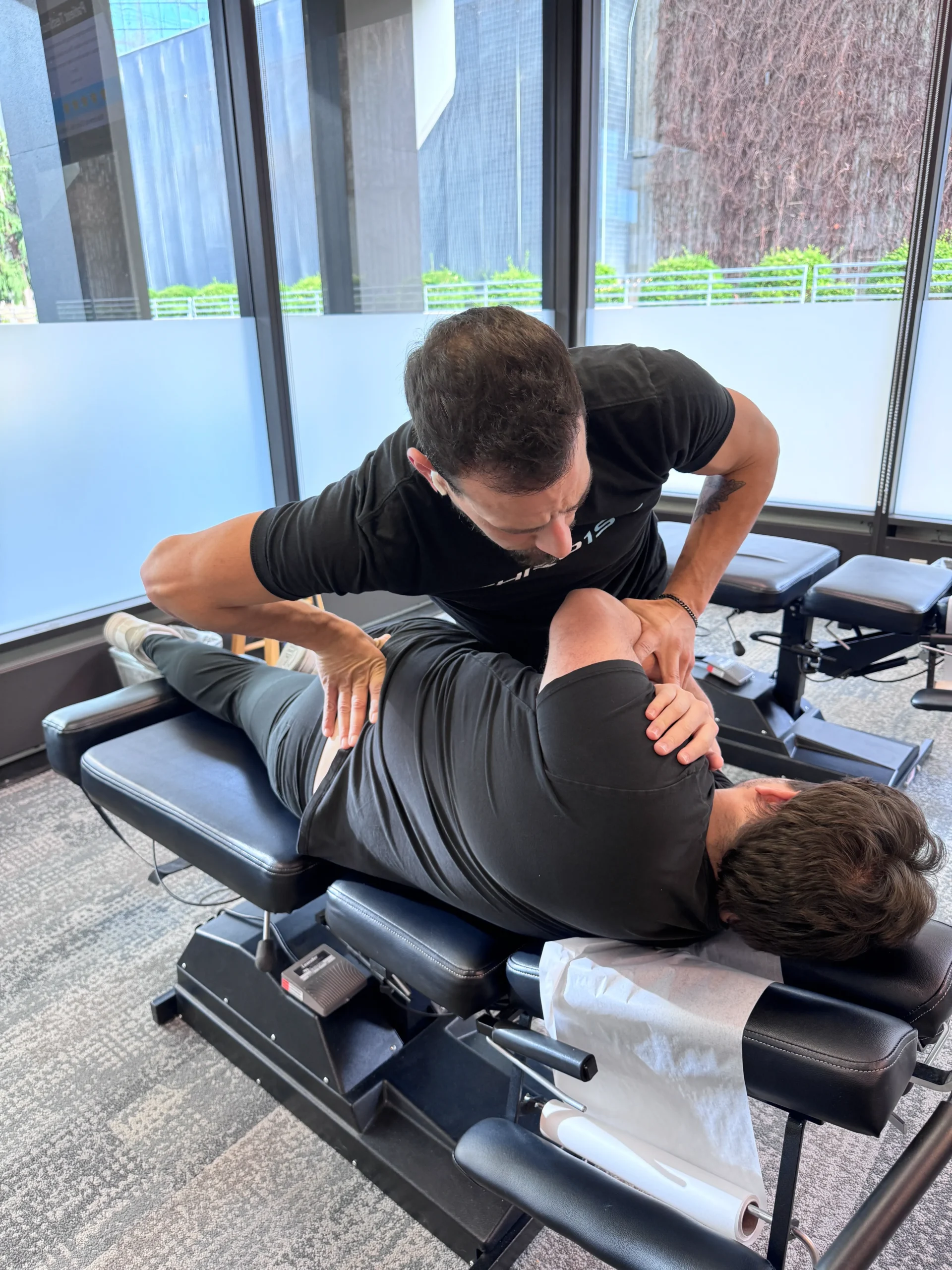
Back Pain
Low back and mid back pain from strain, posture, disc irritation, and joint stiffness.
Learn About Back Pain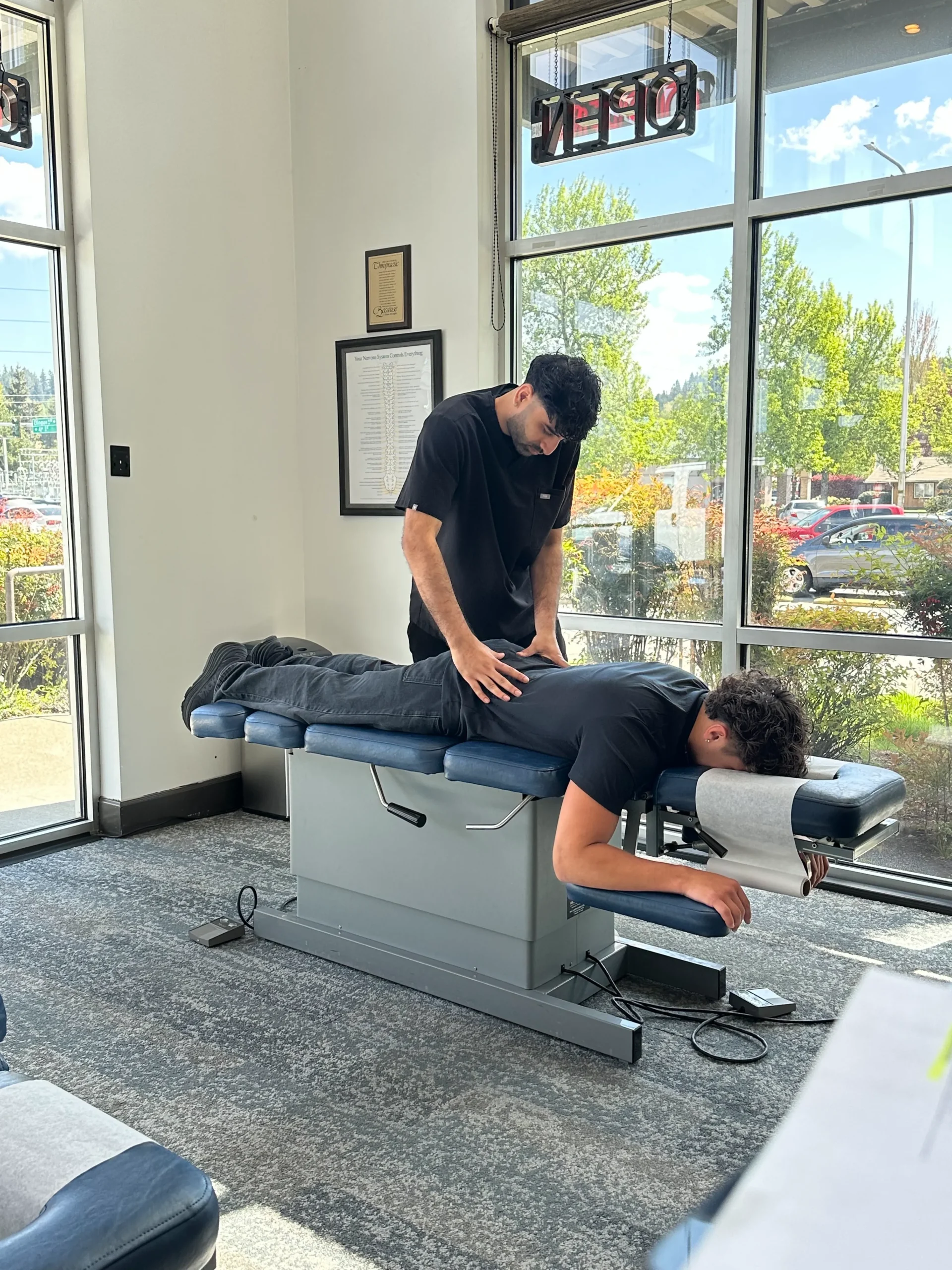
Sciatica
Pain, tingling, or numbness that travels from the low back into the hip and leg.
Learn About Sciatica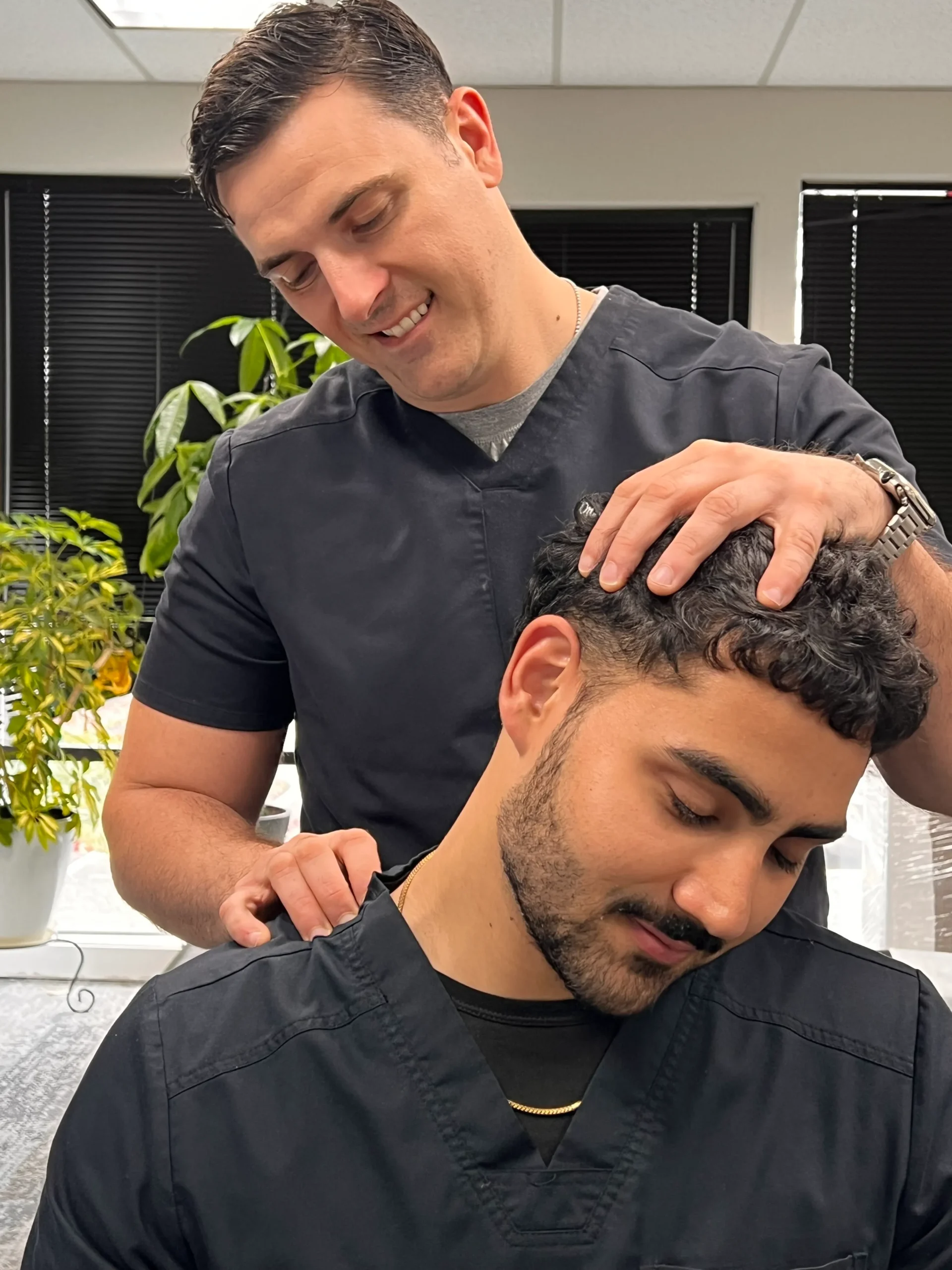
Neck Pain
Stiffness, soreness, and reduced range of motion from posture, strain, or injury.
Learn About Neck PainWhy Chiro 1st
Why Patients Choose Chiro 1st for Scoliosis
With more than 3,500 patient reviews and a 4.9 star average, patients across western Washington trust Chiro 1st for clear answers and steady progress. Here is what they tell us matters most.
Licensed chiropractors
Experienced doctors at every clinic. Meet the team.
Exam before treatment
Every plan starts with an exam, and digital X-rays when they are needed.
Seven clinics
Locations from Everett to Federal Way, with same-week visits at many clinics.
Digital X-rays
On-site imaging when needed to measure and track your curve over time.
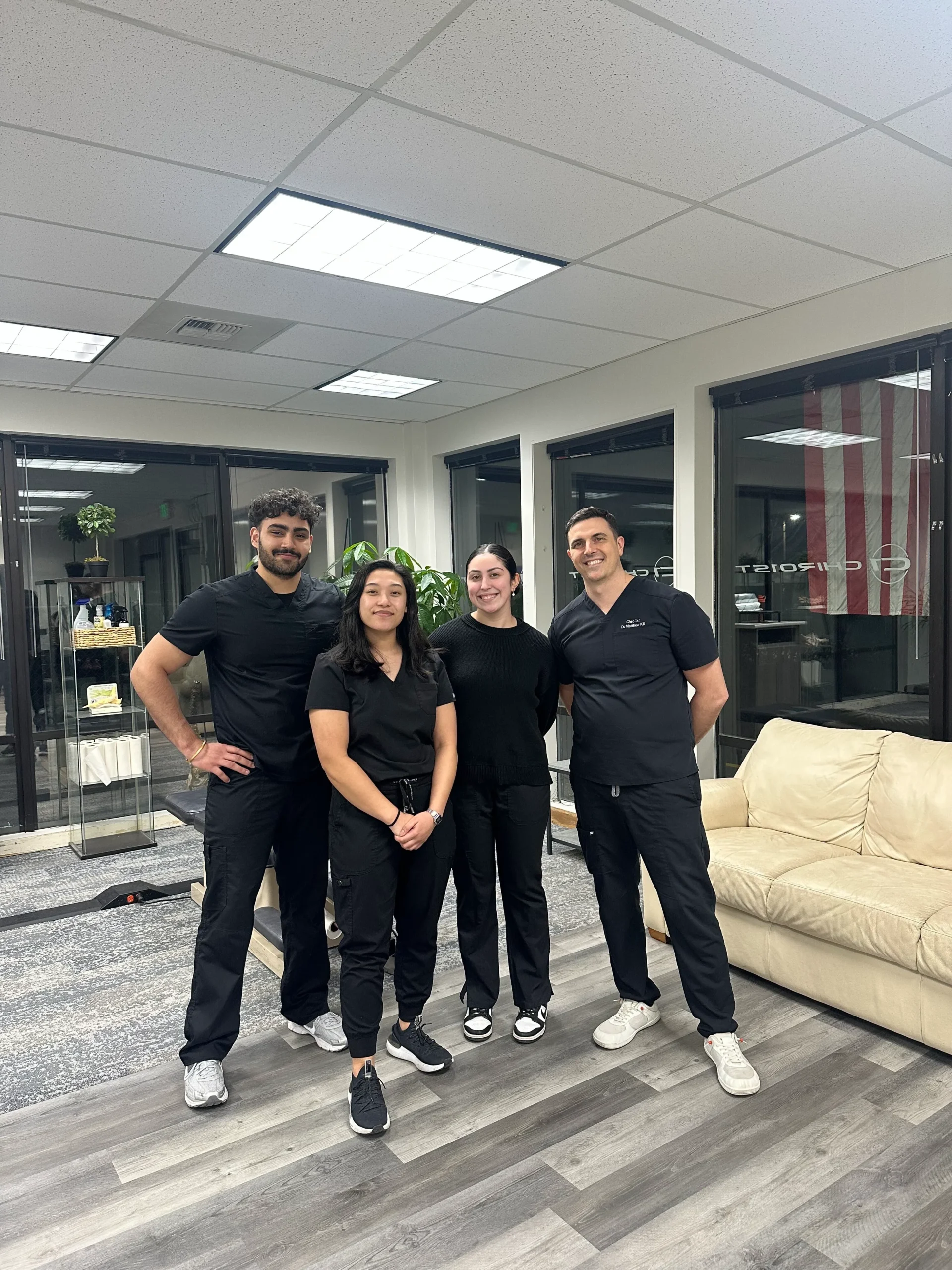
Scoliosis Chiropractor Near You
Every Chiro 1st clinic sees patients with scoliosis, and you do not need a referral. Choose the clinic closest to you.
Scoliosis FAQs
Can a chiropractor fix scoliosis?
Chiropractic care cannot straighten a structural curve completely, but it can ease pain, improve posture and flexibility, and help you stay active. We monitor the curve and refer to a specialist when needed.
Is chiropractic care safe for scoliosis?
Yes. Care is gentle and adapted to your curve, age, and comfort. Your chiropractor will explain each technique before using it.
Can children see a chiropractor for scoliosis?
Yes. Kids and teens can be examined and treated with gentle techniques. Regular checks are important while they are still growing.
What exercises are good for scoliosis?
Core strengthening, stretching, and posture exercises are usually helpful. Your chiropractor will give you a routine that fits your curve.
When is scoliosis surgery needed?
Surgery is usually only considered for large curves that keep getting worse. If your X-rays suggest you need a surgical opinion, we will refer you.
Ready to Fix Your Pain?
Choose a nearby clinic, schedule your first visit, and get a plan built around real progress.
Book Online